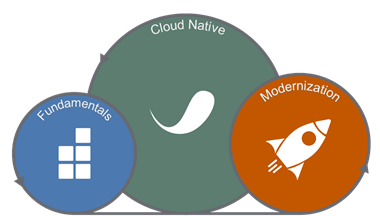
Cloud adoption marks a significant transformation for businesses on the path to digital innovation and growth. This journey requires a strategic and well-considered approach, where the development of a business-driven cloud strategy is central. Such a strategy is built on a deep understanding of the company's goals and how cloud services can support these through increased flexibility, scalability, innovation, and cost efficiency.
To ensure successful cloud adoption, maturity assessments are crucial to evaluate the company's digital maturity and ability to effectively integrate cloud services. This includes an evaluation of the current technology landscape, organizational capabilities, and any sourcing needs to support the transition.
A comprehensive cloud adoption plan is necessary to map out the path forward. This plan should detail how the company will overcome technical, regulatory, and cultural challenges, with a special focus on security and privacy to protect data in the cloud.
Governance documentation is critical for defining clear guidelines and processes for the use of cloud resources. This ensures that cloud adoption aligns with the company's overall goals and compliance requirements, while facilitating flexibility and innovation.
Throughout the cloud journey, it's necessary to focus on key areas such as:
- Data Management: Ensure effective management and protection of data in the cloud.
- Applications: Evaluate and adapt the application portfolio for the cloud, including opportunities for re-hosting, re-platforming, or refactoring.
- Security: Integrate security measures early in the development process to prevent vulnerabilities and ensure compliance.
- Costs: Implement cost management strategies to optimize cloud expenses without compromising performance or security.
- Organizational Capabilities and Potential Sourcing Needs: Assess and develop internal governance and delivery models, competencies, and identify needs for external support to realize the cloud strategy.
- Exit Strategy: Plan for the possibility of migrating away from cloud services or switching providers with minimal risk and cost.
A thorough plan and approach, supported by a structured framework such as Cloud Adoption Frameworks, will guide the company through this transformative journey. By addressing these key areas, businesses can navigate cloud adoption in a way that maximizes the value of cloud investments and supports long-term success in the digital landscape.